New model · 2026-09-04
Qwen3.8-Flash-Next: why 6B active still needs 180B resident
The description of Active 6B makes it feel like a lightweight model. However, the file is much larger and requires special settings even on 128GB devices. To understand Qwen3.8-Flash-Next, we must first separate why the part to be calculated and the part to be stored are different.
Which part of the model is actually small?
Flash-Next is an MoE structure calculated by selecting some experts. The active scale describes the path written by one token. This does not mean that the entire weights of the model can be downloaded that much or stored on a small GPU.
The registration configuration of this model distinguishes approximately 125B of core LM, approximately 51B of PLE family tables, and approximately 4B of MTP. Putting a total storage size of about 180B and an active figure of about 6B per token into the same capacity box can greatly mislead equipment requirements.

How to put a large table somewhere else
Having a supported path to place PLE tables in RAM or SSD can reduce the burden on high-speed memory. This is different from accelerating repeated phrases to create decode candidates. The role of MTP should be divided into candidate prediction and PLE offloading should be divided into storage locations.
Changing storage locations may incur query and transfer fees. In particular, the SSD path has a large difference between the first access and the repeated access with remaining cache. You need to separately check the advantage of the model running and the advantage of the usual questions being completed quickly.
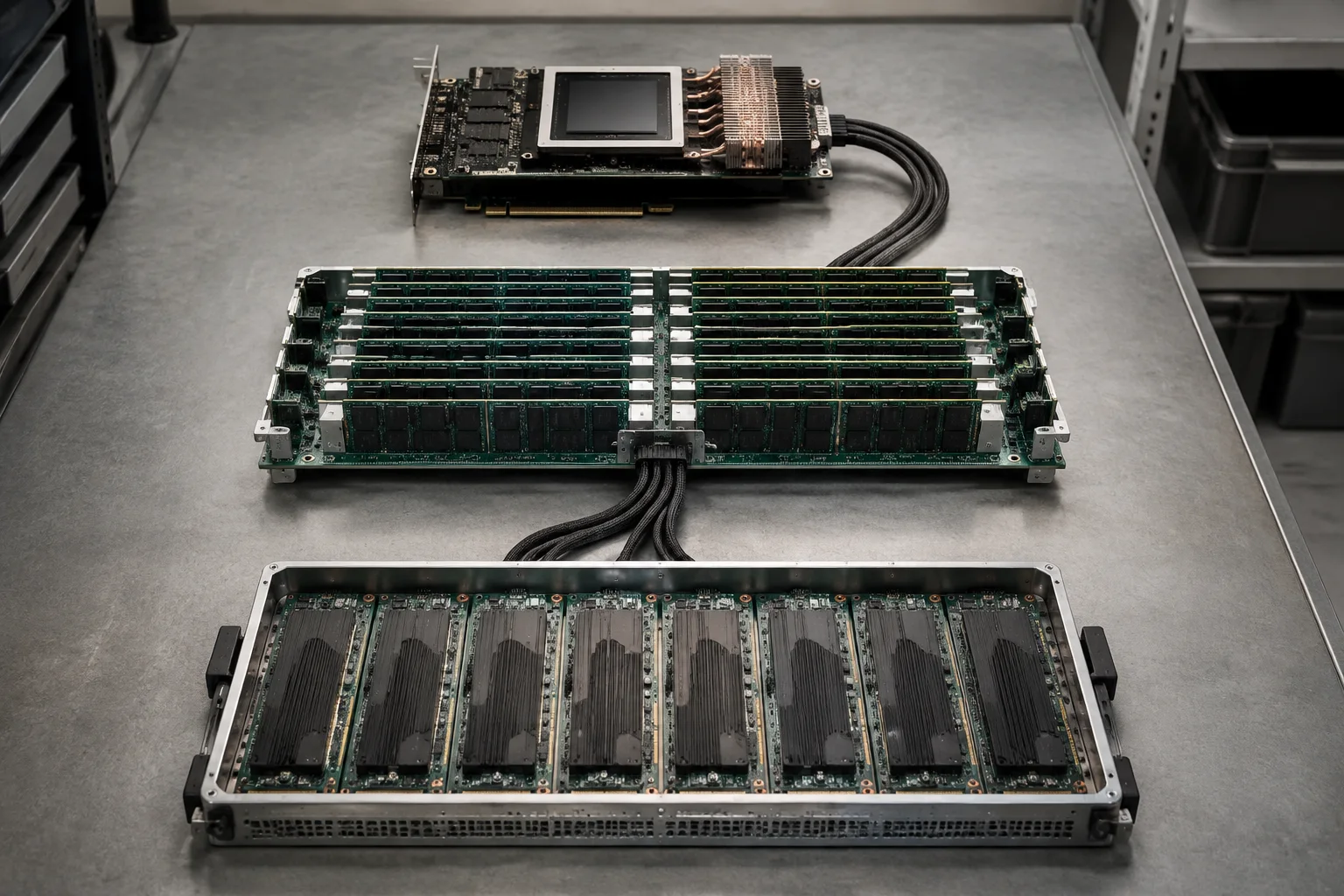
Read a single-Spark result together with its full setup
The experimental path for a single DGX Spark uses configurations such as specific NVFP4 checkpoints and PLE mmap patches. Getting just a single command line or token speed can leave you missing out on necessary files and patches. This does not mean that it will be reproduced immediately with a normal installation.
Just changing the location of GPU and CPU within the same 128GB does not increase physical memory. We need to see which parts are on NVMe and where the rest of the weights and cache are to understand why a single device path is possible.
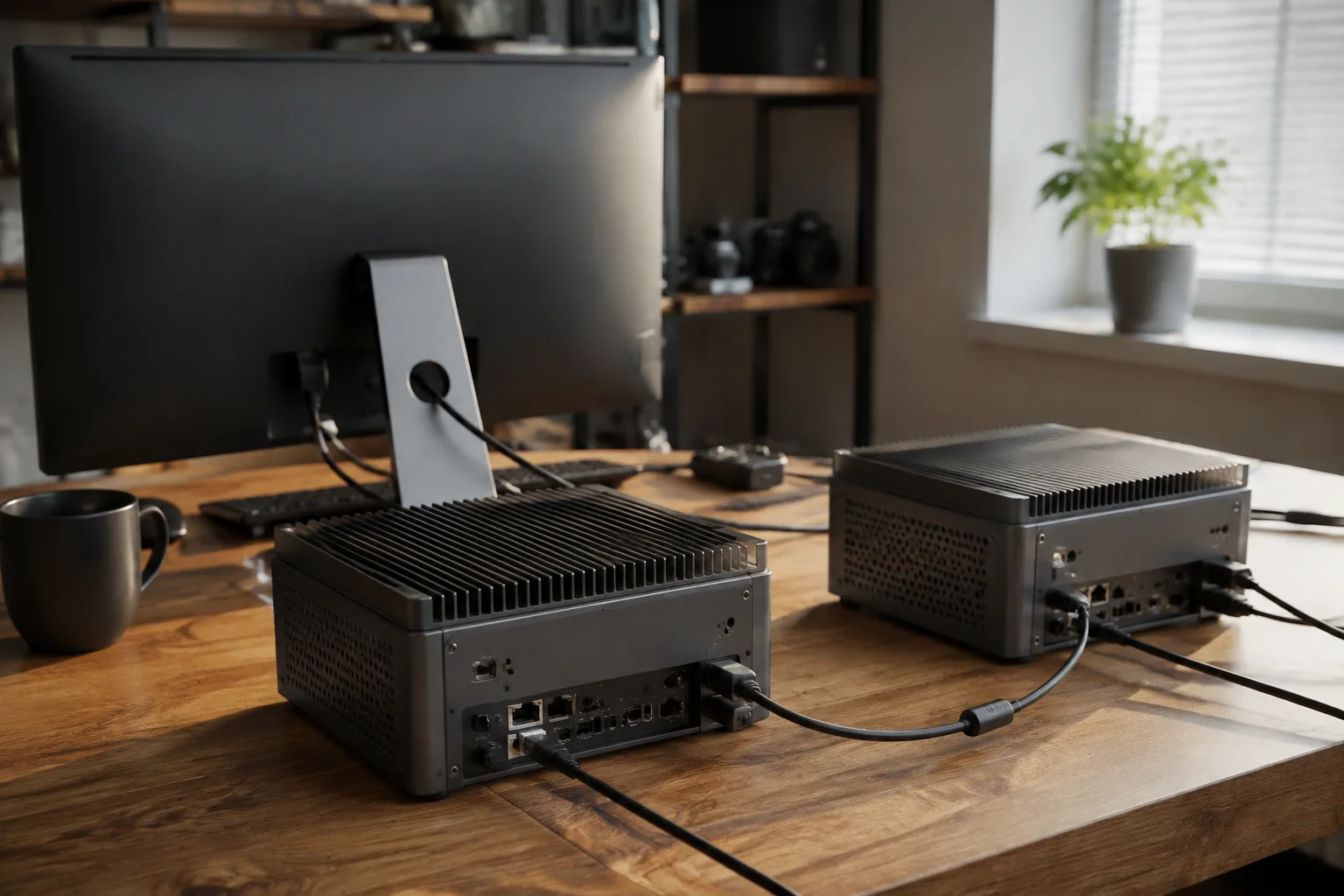
What do you get when you connect two?
You can increase space by dividing it between two nodes. On the other hand, time is added during calculation to send and receive results. The speed of one answer is not exactly doubled; it depends on model splitting and connection/acceleration settings.
When comparing two results with one result, the model file, MTP, and input length must be matched. If the best results of different compressions can be explained solely by the effect of equipment count, then we would expect the same difference on our next purchase.
Do I need this experiment?
It's an interesting choice if your goal is to create new execution paths and work with large models. But if you need a tool to handle documentation and code every day, you also have to deal with the burden of installation, recovery, and updates.
There is no need to increase complexity for something that is already a small model. Conversely, if you only get results from this model, check the conditions of the recipe and compare the expected experience. It is a model where ‘I can continue to use’ remains after ‘I can turn it’.