
new model · 2026.10.18
Last updated
DeepSeek-V4.1-Flash-1017: what to re-download and what runs it
The name and file sizes are unchanged, but 1017 requires new Engram and vision files.
DeepSeek-V4.1-Flash-1017 is a retrained checkpoint1 of the September V4.1 Flash. The architecture, 1M-token context, MIT license and the deepseek-flash API2 name are unchanged, but all 48 weight shards were replaced. If you already run V4.1 Flash locally, do not overwrite the old folder: bring the Engram tables and vision files to the 1017 revision and re-run your usual task under the same conditions.
1017 is a checkpoint that fills the same slot, not a new model
Released on October 17, 2026, V4.1-Flash-1017 is a retrained checkpoint that follows the V4.1 Flash from September 10. DeepSeek calls it a minor update, yet its own benchmark table shows Terminal-Bench 4.0 up 11.1 points and ProgramBench up 8.8, with shorter outputs for the same task. The web, app and API model names stay as they were, and API users keep calling deepseek-flash.
The architecture is unchanged. A 552B backbone, 196B of Engram, the DSpark draft and the vision tower together appear as 763B parameters on the model card. The 1,048,576-token context, 384K maximum output and MIT license also match September. For local users, the useful question is therefore not what was added, but which files in the same slots were replaced.
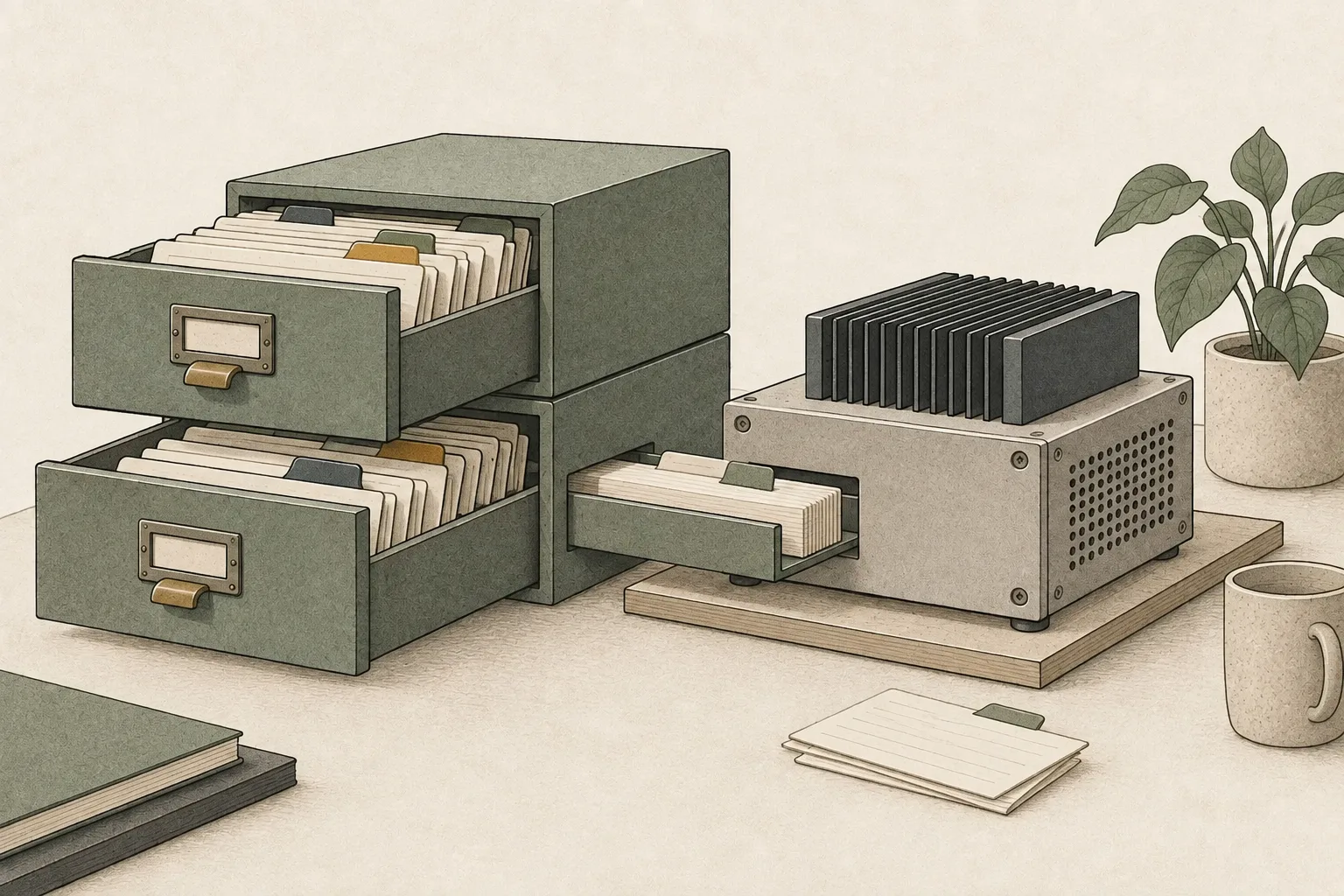
The file names and sizes are identical; the contents are not
All 48 official safetensors shards were rewritten for 1017. Their names and individual sizes match September, but the two Engram n-gram3 tables and the vision tower carry new values. The problem is that serving engines usually read file names and tensor shapes, not the version behind them. Point a 1017 model at September's Engram tables and loading still succeeds; the replies still look plausible. They come from a mismatched combination, not from 1017.
If you already have the September checkpoint, download 1017 into a new folder instead of overwriting the old one. Deleting or renaming the previous folder reduces the chance that an engine picks up stale files. After downloading, compare the shard names and sizes with the repository file list; for a converted build, also follow the checksum file that repository provides.
hf download deepseek-ai/DeepSeek-V4.1-Flash-1017 \
  --revision 1bae0e1088993b9b82de08f59de5be5a34e42170 \
  --local-dir ds41-1017
du -sh ds41-1017How much you re-download depends on the format you run
The official checkpoint totals 510.3 GB across 48 files, or 475.25 GiB. Converting it needs room for both the source and the result, and at run time the KV cache4 and runtime5 memory come on top of the weights. Planning for 1 TB or more of free space is sensible, but that is arithmetic for planning, not an official minimum.
Two routes exist for personal hardware. A VQ GGUF6 aimed at a single 128 GB DGX Spark keeps a 113.56 GB base, a 0.97 GB vision sidecar and 203 GB of Engram tables separately, reading Engram rows from disk; the download is about 318 GB. An MLX7 3-bit conversion stores 223.5 GiB of converted shards plus 189.1 GiB of original Engram, for 412.6 GiB. Neither has published 1017-specific serving speed yet.
Scroll sideways to compare all columns.
| Format | What is stored | Total | 1017 serving measurement |
|---|---|---|---|
| Official safetensors | 48 shards | 475.25GiB | Official release |
| VQ GGUF (DGX Spark) | 113.56 GB base + 0.97 GB vision + 203 GB Engram | About 318 GB download | Not measured |
| MLX LSQ3 | 223.5 GiB converted + 189.1 GiB Engram | 412.6GiB | Not measured |
The runtime that reads 1017 today is not mainline llama.cpp
The llama.cpp pull request adding DeepSeek V4.1 support opened on September 10, 2026 and remained unmerged and conflicting on October 18. A claim that it runs in llama.cpp therefore usually refers to a fork or a separate conversion. The same command on a mainline build can fail because the architecture is not recognized.
On server-class GPUs, the vLLM and SGLang recipes can run this architecture, and NVIDIA's Dynamo documentation covers V4.1 Flash deployment. In vLLM, thinking is on by default at effort 50, so a small max_tokens can spend the whole budget on the trace and return empty content with finish_reason=length. The model is not broken; turn thinking off or give the output budget room.
Prompt8 formatting also needs care. The 1017 repository ships no Jinja chat template; the Python reference in the encoding folder and deepseek-recipe provide the same format. Treating the DSML tool-call tags, which carry a leading space, or the 1–100 numeric effort like an ordinary template can misalign the conversation.
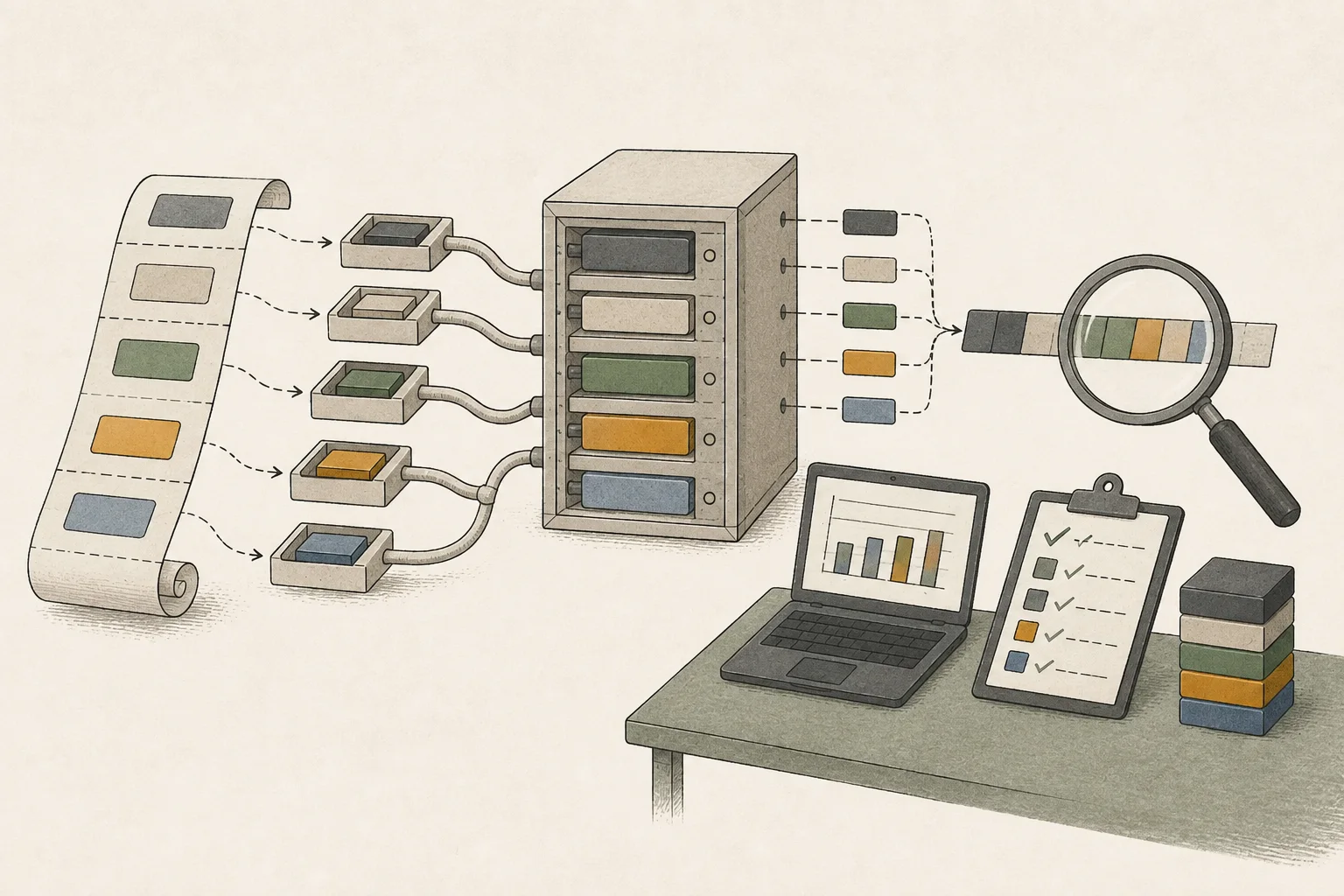
Read the benchmark table for cost per task, not just scores
The model card reports 1017 ahead of the September checkpoint on most rows, and above Opus 5 on one coding benchmark. Terminal-Bench 4.0 rises from 31.2 to 42.3, DeepSWE v1.1 from 74.2 to 77.0 and ProgramBench from 20.3 to 29.1. HLE improves from 36.8 to 42.6 but stays below Opus 5 at 56.3.
These are results under the vendor's published harness conditions. Terminal-Bench used the Claude Code harness and DeepSWE used Mini-SWE-V2; they are not token9 rates or first-token latency on your machine. Because 1017's practical gain comes from finishing the same task with shorter output, the realistic local comparison is how many tokens the same request consumes against the September checkpoint.
Scroll sideways to compare all columns.
| Benchmark | V4.1-Flash-1017 | V4.1-Flash (September) | Opus 5 |
|---|---|---|---|
| Terminal-Bench 4.0 | 42.3 | 31.2 | 51.8 |
| DeepSWE v1.1 | 77.0 | 74.2 | 74.0 |
| ProgramBench | 29.1 | 20.3 | 37.0 |
| HLE (without tools) | 42.6 | 36.8 | 56.3 |
API pricing is unchanged, but search tools start charging in November
On the API, both deepseek-flash and the legacy alias deepseek-v4-flash route to 1017, and the price list matches September. Cached input costs $0.003 per million tokens off-peak and $0.006 at peak; uncached input costs $0.15 and $0.3; output costs $0.6 and $1.2. Peak hours are 01:00–04:00 and 06:00–10:00 UTC on weekdays.
The newly opened Search and Fetch APIs charge $0.75 per 1,000 successful requests each. Calls made as server-side tools from DeepSeek Harness, Claude Code or Codex are free until 00:00 Beijing time on November 1, 2026, and billed after that. Even with a local model, adding search creates this separate cost.
| Price item | off-peak | peak |
|---|---|---|
| Input (cache hit) | $0.003 | $0.006 |
| Input (cache miss) | $0.15 | $0.3 |
| Output | $0.6 | $1.2 |
The order to check before you re-download
First decide whether the model runs locally or through the API. With the API, the name stays as it is. For local use, verify that your engine actually loads the deepseek_v41 architecture at the 1017 revision, then budget storage and conversion space, download into a separate folder and re-run one representative task under the same conditions.
Record the repository revision 1bae0e1, the conversion and runtime commit you used, the context length10, output token count and time to first token11. If a setup that was stable on the September checkpoint does not behave the same way on 1017, resolve that difference before chasing the new benchmark scores.
Terminology notes
Checkpoint — A file containing saved model weights and related state. Versions or tasks in one model family may use different checkpoints.
Back to the textAPI — A defined interface that lets other code call a program’s functions.
Back to the textN-gram — A sequence of n consecutive tokens or items. N-grams may be used for context lookup or speculative generation, and may also form the entries of embedding tables in some models.
Back to the textKV cache — Memory that stores attention keys and values from earlier tokens for reuse during later token generation. Its size depends on context length and batch size.
Back to the textRuntime — The software environment that provides facilities needed while a program runs. In local AI, it can also refer to a model execution engine.
Back to the textGGUF — A file format for model data, widely used by llama.cpp-based tools.
Back to the textMLX — Apple’s machine-learning framework, which runs models using memory shared by the CPU and GPU on Apple Silicon.
Back to the textPrompt — The input text sent to a model. For generative models it describes the desired result and strongly shapes the output.
Back to the textToken — A unit into which a model divides input or output for processing.
Back to the textContext window — The token span of input and generated content a model can handle in one request. The supported limit and memory use depend on the model and runtime settings.
Back to the textTime to First Token — The time from sending a request until its first output token arrives.
Back to the text
Frequently asked questions
- What should you check first in this article?
- DeepSeek-V4.1-Flash-1017 is a retrained checkpoint of the September V4.1 Flash. The architecture, 1M-token context, MIT license and the `deepseek-flash` API name are unchanged, but all 48 weight shards were replaced. If you already run V4.1 Flash locally, do not overwrite the old folder: bring the Engram tables and vision files to the 1017 revision and re-run your usual task under the same conditions.
- How much memory does it need?
- The official checkpoint totals 510.3 GB across 48 files, or 475.25 GiB. Converting it needs room for both the source and the result, and at run time the KV cache and runtime memory come on top of the weights. Planning for 1 TB or more of free space is sensible, but that is arithmetic for planning, not an official minimum.