Response speed and acceleration
SpecPrefill: reducing the wait before the first token
I inserted a PDF and it took a long time to get the first response. The response is quick once it starts, so I just want to shorten the wait. SpecPrefill is a way to select inputs for this model to process. However, if you read less and get faster, you should check to see if the necessary content remains.
The first thing to do is to process long input
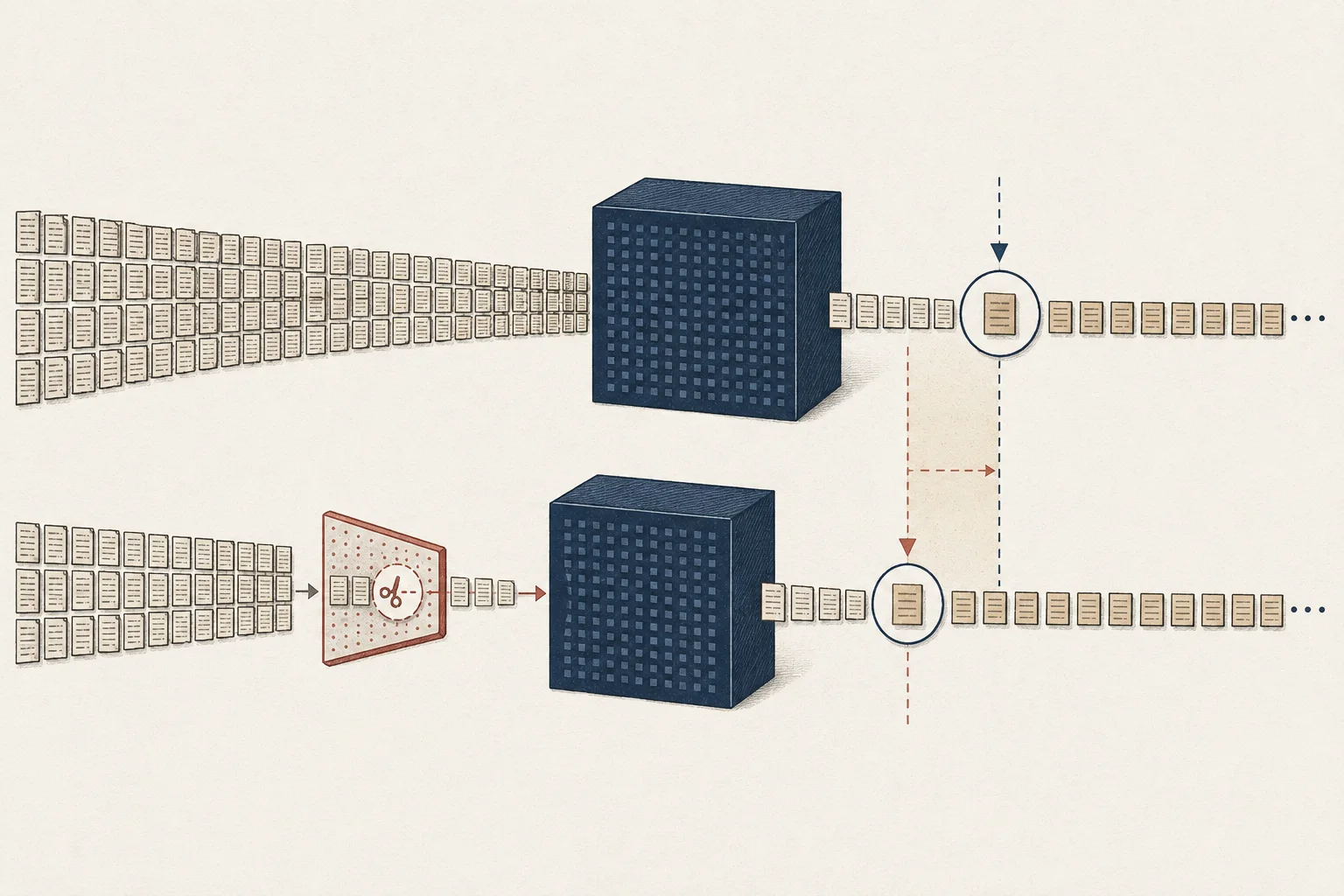
The model processes questions and documents before writing a summary. If this prefill step takes a long time, you won't see any answers on the screen for a while. SpecPrefill is a method that attempts to reduce the amount of processing the model needs to do by identifying important tokens with the help of small models.
This model reduces work but adds time for sorting. In short questions, the gain may be small because there is less input to reduce. So rather than turning it on just because the first reply was late, check to see if there is a lot of waiting during regular long inputs.

This is not the same as caching repeated documents
The prompt cache reuses the common prefix that has already been computed. SpecPrefill selects the parts of this input to process. Rewriting previous calculations and screening input are different, and their impact on the answer must be considered separately.
When comparing, it is difficult to isolate the SpecPrefill effect if only one side has cache remaining. Match models and documents and record cache status. It is better to keep the time until the first token and the decode speed for writing the answer separately.
Check app and model combination on Mac as well
On Mac, you can check the support path for oMLX. NVIDIA also requires that current executables and models support the experimental feature. The same options cannot be applied to all combinations based on hardware name alone.
First, check the normal answer with the feature turned off and change it to the current version's supported settings. From the initial launch, with multiple accelerations turned on at the same time, it's hard to tell which change had an effect. This site's predicted experience does not guarantee actual measurements for all combinations.
If you read it again because of one missing line
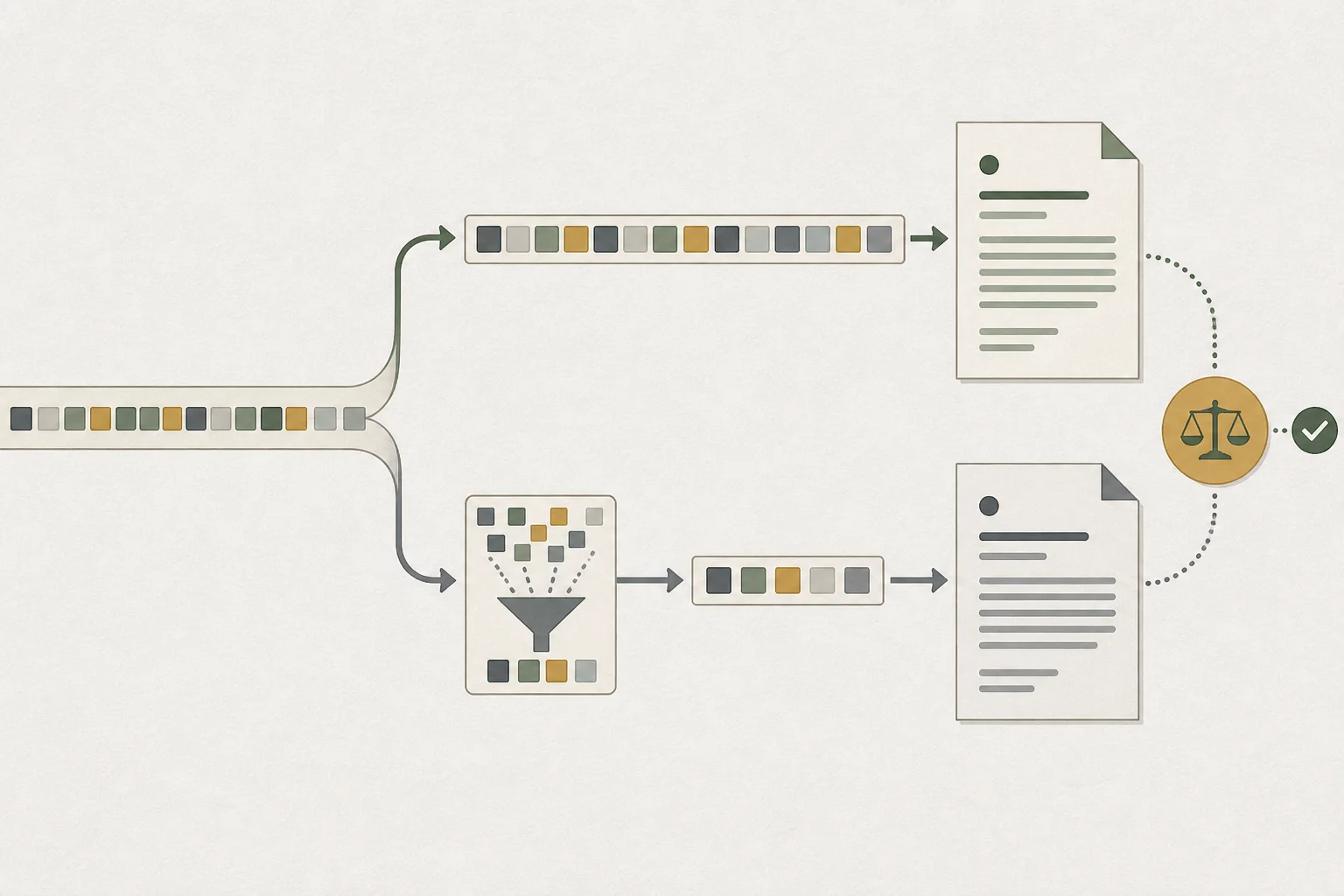
Let's say you found the correct amount in the document, but missed an exception condition. Even if the answer is natural and quick, the result cannot be used as is. Because necessary parts may be omitted during the token selection process, speed and separate content checks are required.
Compare before and after turning it on by including dates, numbers, and exception conditions for which you know the correct answer in the question. Check for important information not only at the front of the document, but also in the middle and back. The key is not to assume that quality has been maintained just because the summary is plausible.
Count the time saved and the time spent checking again
Even if your first answer is faster, if you doubt the results and spend more time re-reading the original text, the overall work may not be faster. Conversely, if the content differences in the rough classification or rough summary are within the acceptable range, it can be a useful option.
Rather than applying it to all documents, start with verified work. Important contracts or numerical confirmations should be checked separately against the original text. The goal is not to turn on the technology. All you have to do is leave the settings that make reading and judging documents easier.