Purchases and Costs
Local LLM ownership cost over one or two years
Dividing the cost of the equipment by the subscription fee, it seems like it will take a few years to pay for itself. But can you really cancel your subscription in the meantime? There's money left over when you sell the equipment, and there's money left over while you keep it running. The cost of local AI should be calculated in terms of the entire period of buying, using, and organizing rather than just the purchase price.
The purchase price is not necessarily money lost
If you buy the equipment and sell it a year or two later, you may be able to recoup some of the money. Conversely, if you continue to hold it, the amount will not be returned as cash right away. So when calculating holding costs, we distinguish between depreciation costs, which are the purchase price minus the estimated sale price, and actual cash outlays.
The estimated used price is not a guarantee. Varies depending on condition, memory configuration, new product launches and timing of transactions. Don't just look at one outcome, assuming a good sale price, but also see if you can afford it if it sells for less.
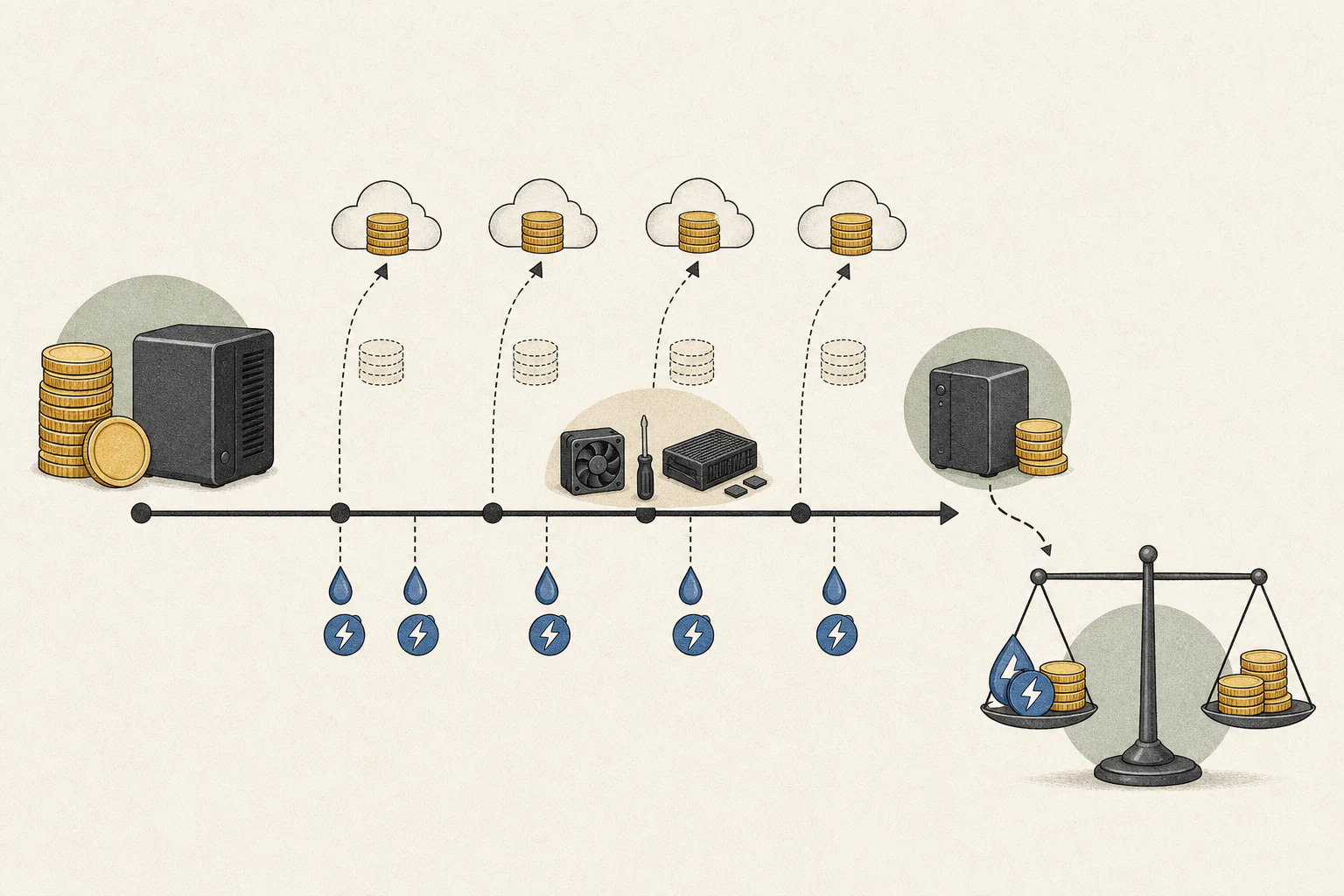
The subscription fee is subtracted only by the amount actually reduced.
Even if you have a local model, you can still subscribe to other services. If you're only moving part of the work or leaving it to an external service for validation, you shouldn't put the entire subscription fee into savings. Write down what local equipment can do for you and what you still need to do.
Take a simple example: if you actually stop spending KRW 30,000 a month, you save KRW 360,000 in 1 year and KRW 720,000 in 2 years. Keep that subscription, and the saving is KRW 0. However capable the hardware is, this calculation starts with what changes on your bill.
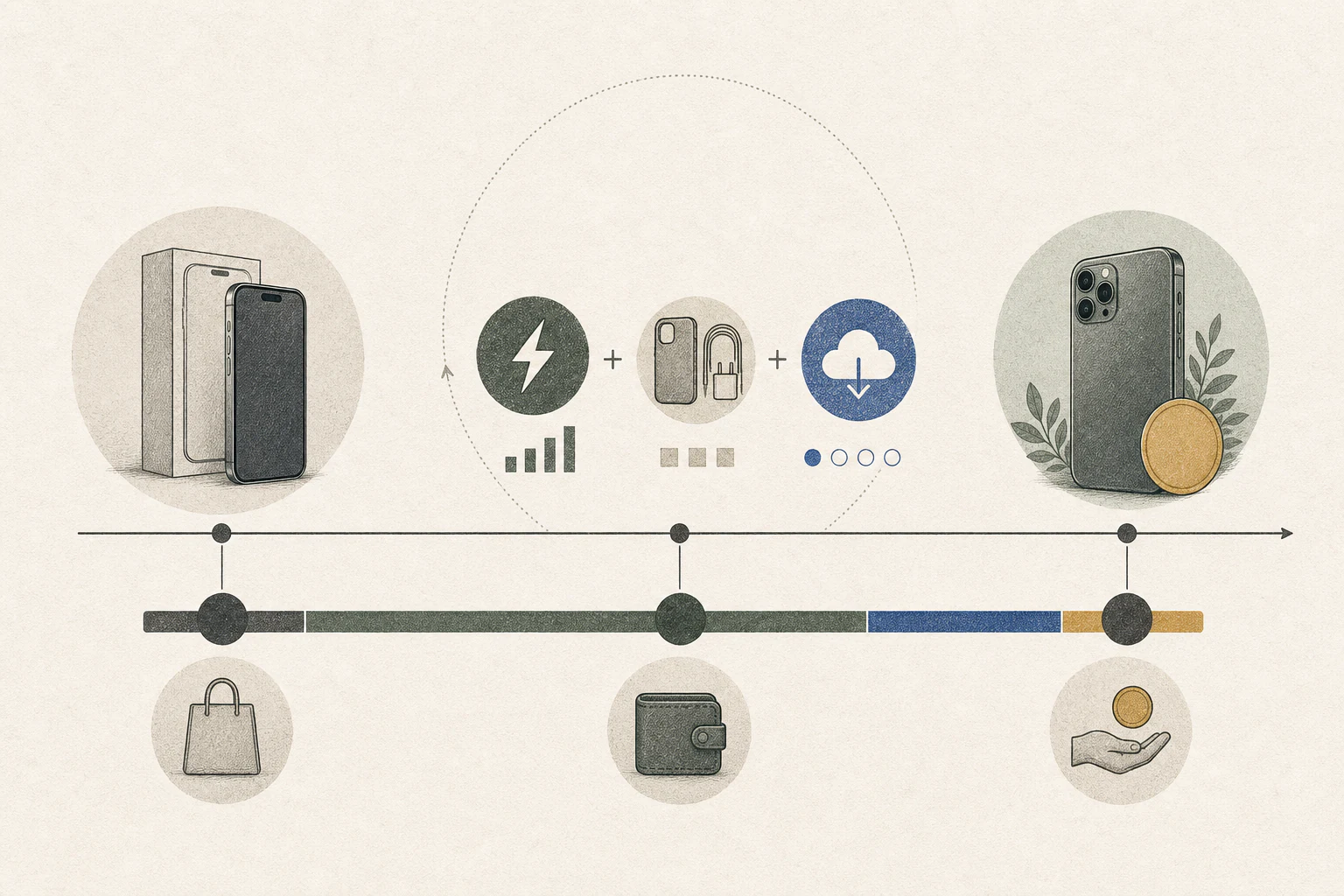
Do not calculate electricity from peak power alone
The maximum power consumption of a graphics card is different from the power consumed by the entire computer. You need to calculate it by dividing the time of day into generating time, waiting time, and completely turning it off. If it is a single GPU figure, the power of the CPU and other components is also used separately.
Home rates are affected by your existing usage and rate band. Site calculations are estimates based on input conditions and cannot be guaranteed to equal the actual bill increase. If you're planning a 24-hour server, standby power as well as generation are important items.
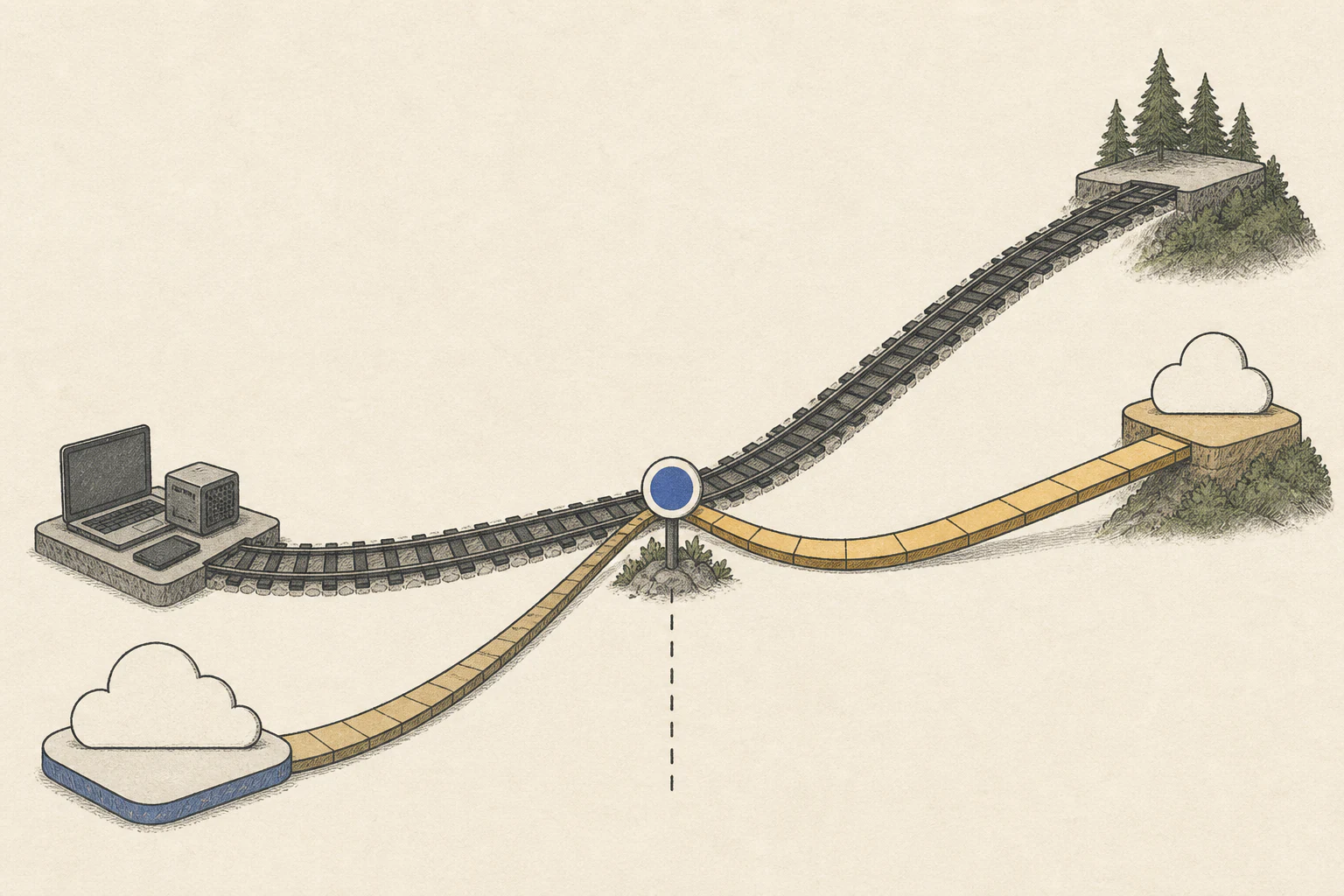
Are you buying a GPU or a complete PC?
Those who add a card to their current PC and those who build a console from scratch will have different costs. If you need to replace the power supply or add storage, factor it into the initial cost. Adding back the past purchase price of equipment you already own as if it were a new purchase should also be avoided for comparison purposes.
It is difficult to put a dollar value on the time it takes to set up and manage it, but it is not an unnecessary cost. If you enjoy the setup itself, it can be part of your hobby, but if you just need work tools, it can be a huge burden. There is no need to draw conclusions based on the assumption that someone's time is paid at the same hourly rate.
Why look at 1-year and 2-year results together
If you hold it short, the initial cost and depreciation will appear large. If you use it for a long time, the subscription fees you actually eliminate will accumulate, but your electricity bills and maintenance costs will also increase. Rather than concluding that there will be unconditional benefit at some point, it is better to see what the results are over the period of time I will use it.
Even if the savings are less than expected, that doesn't take away the reason to buy local equipment. You may want the value of processing data in your environment and changing settings yourself. However, you must distinguish between that choice and the claim that you are making the most of your money, so that you are less likely to regret your initial calculations while using it.