Purchases and Costs
New RTX 5060 Ti 16GB or used RTX 3090 24GB for local AI?
The new card offers a warranty; a used RTX 3090 offers 24GB of VRAM. The choice looks simple until you install it and load a model. Whether that model fits in 16GB, the condition of the older card, and any power supply or case changes all change the real bill. Start with the work you want the PC to do.
VRAM capacity changes the shortlist
The RTX 5060 Ti is sold in both 8GB and 16GB versions; this comparison means the 16GB version. NVIDIA lists 24GB for the RTX 3090. Select one model file and the context length you actually need. If the model and working headroom fit in 16GB, power use and a new-product warranty become relevant advantages to weigh. If you only barely exceed 16GB and parts move into system RAM, the 3090's extra capacity may matter far more. A comparison that fits the file but ignores longer context misses that boundary. The 3090's 24GB is not unlimited either; leave VRAM for the runtime and other applications.
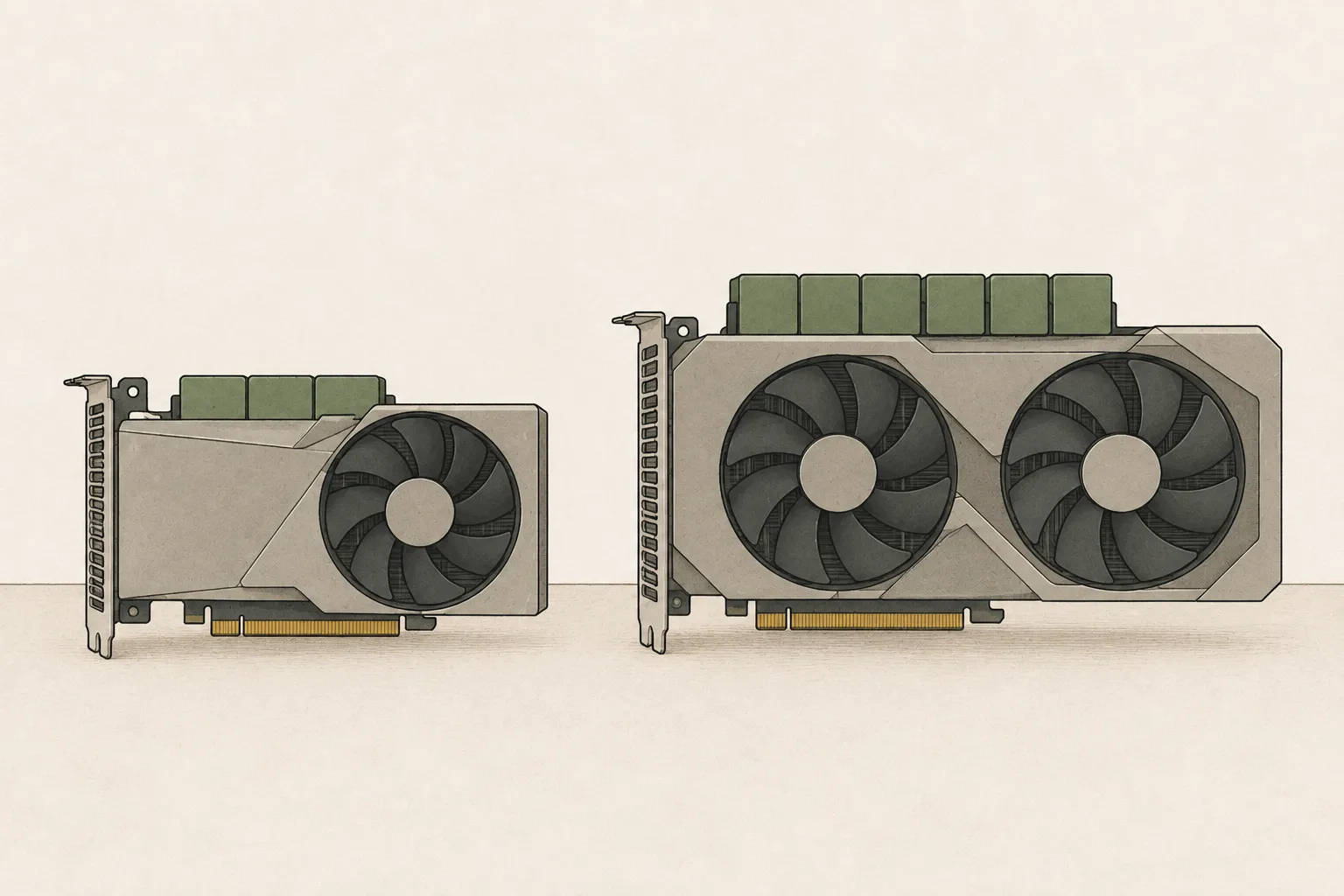
There is no universal speed winner
A small model resident on either card is a different comparison from a model that spills beyond 16GB into system memory. Time spent reading a long document also differs from the pace of continuing an answer. A newer GPU generation does not guarantee victory for every model, nor does the 3090's larger VRAM guarantee it wins workloads that already fit the 5060 Ti. In the site's comparison view, hold quantization and input length constant. Switch between the full wait including prefill and generation alone. These estimates help shortlist a purchase; they are not a measurement of the cooling condition of a specific used card or every runtime version.
Add up the computer, not just the card
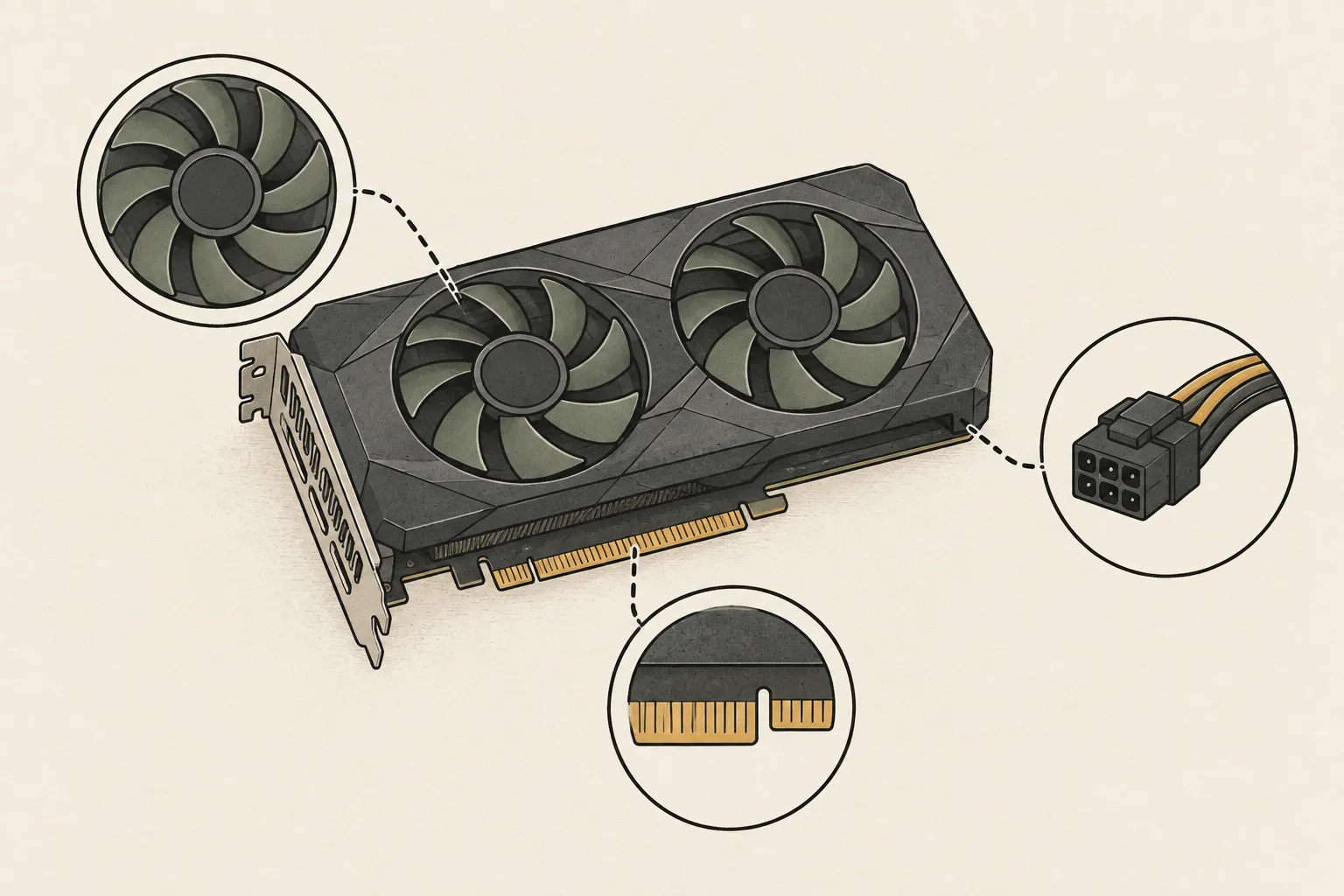
NVIDIA's reference figures list 180W total graphics power and a 600W recommended system supply for the RTX 5060 Ti, versus 350W and 750W for the RTX 3090. These are not continuous wall-power readings or electricity bills, and board partners and PC configurations vary. They do tell you what to check: PSU capacity and connectors, the physical clearance for a large 3090, and adequate cooling. A used 3090 can lose its apparent price advantage if you also need a power supply, case and installation. If your existing PC already supports it, do not invent those costs either. Write a total for your own computer.
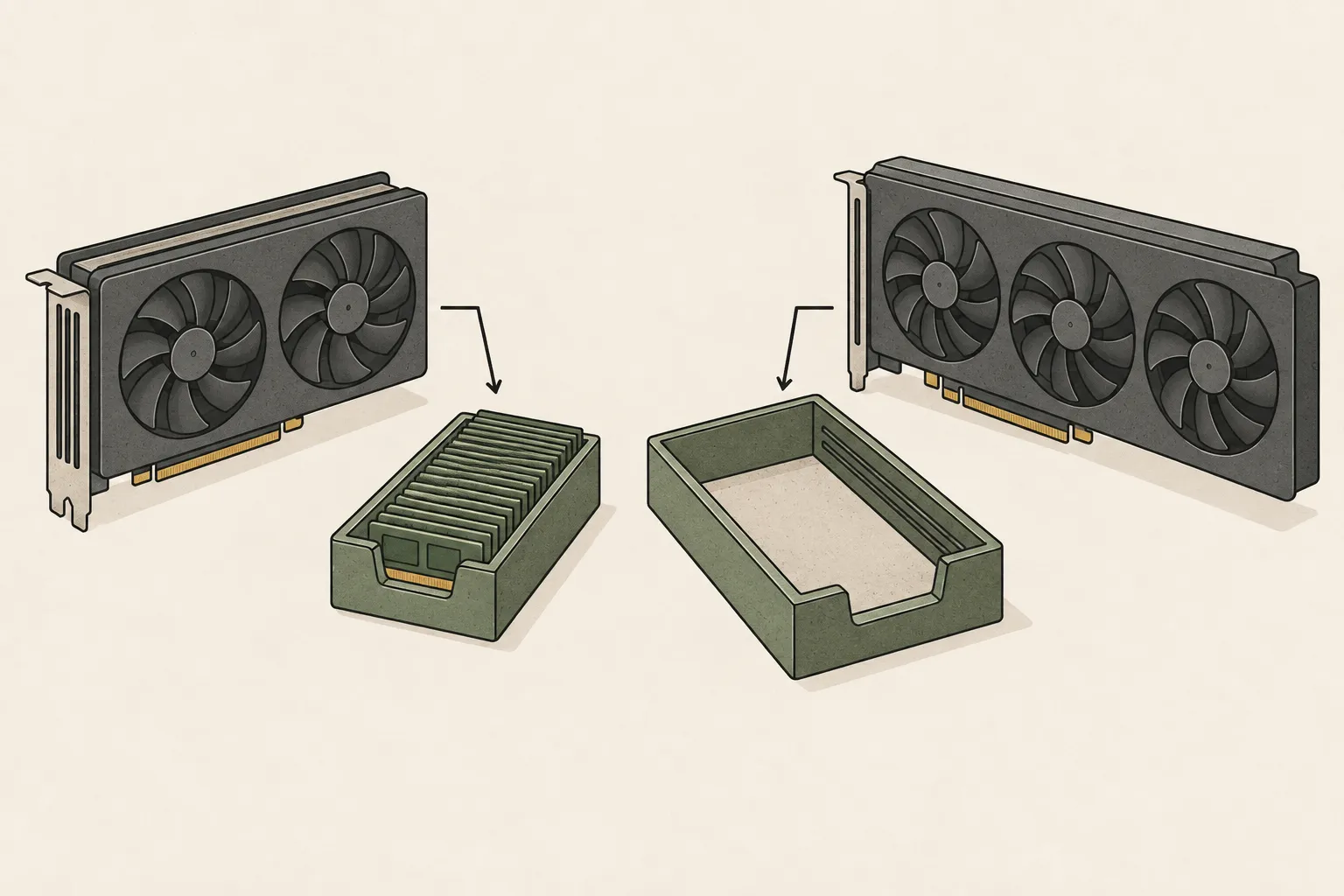
A used 3090 is an individual item
‘Working’ in a second-hand listing does not establish how the card behaves under sustained local AI load. Get the exact board maker and model so you can check size and power connectors. Where possible, ask for evidence of operation under load, temperatures, fan noise and any display or compute errors. Distinguish repair history, transferable warranty and the seller's return window. Asking only whether a card was used for mining is too narrow; present condition and a clear remedy if it fails matter more than a verbal history. For a local transaction, arrange a powered test. For delivery, decide what you will test as soon as it arrives.
When the new 16GB card makes sense
Start with the RTX 5060 Ti 16GB if your intended models fit with headroom and your image work consists mainly of repeatable, moderate-size jobs. A clear new-product warranty and avoiding extensive changes to the existing power supply or case may also matter. But the RTX 5060 Ti name alone is insufficient at checkout: verify that the listing says 16GB, because an 8GB version also exists. Then check the board maker's dimensions, connector and seller terms. Base the decision on a model and workflow that fit today, rather than a vague promise that a new card will remain adequate forever.
When 24GB solves a real constraint
The 3090's 24GB has a clear purpose when your chosen model and context cross the 16GB boundary, a smaller file degrades the answers you need, and you can inspect the used card. Do not turn that into a promise that any particular large parameter count will feel comfortable. Quantization, context and offloading can make a model runnable but slow. Extra VRAM can matter for larger image workflows as well. Yet a cheap used board can become an expensive experiment without adequate power, cooling or a return path. Price the gain from keeping the actual workload resident alongside the uncertainty of this individual card.
Finish with one workload and one total
Keep the model file, quantization and context length fixed while comparing estimated waiting and generation for the same request. Then write down the actual checkout total for a new 5060 Ti 16GB and the used 3090 plus any necessary parts, shipping and installation. Electricity cost depends on your usage and measured whole-PC draw; multiplying rated GPU watts by 24 hours every day would misstate it. If 16GB handles your work and the full price makes sense, the new card has a case. If 16GB blocks the task and you can verify a suitable used board, the 3090 has one. Immediately before paying, recheck VRAM capacity, exact board model and return terms.