Image / video
FLUX or Qwen Image: choose a model for the job
Both FLUX and Qwen example images look good. But can I achieve the same results with my product photos or posters? When choosing a model, it is helpful to create scenes where you often fail side by side rather than the completed work chosen by someone else.
First decide what result you want to achieve
Changing the background while maintaining the shape of the product is different from creating a poster with text for the first time. Note: You can narrow down the execution path by first determining whether image input or partial modification is necessary. Even within the same family name, distributions and support activities may vary.
The FLUX.2 Klein·Dev and Qwen-Image series on the site are the starting point for comparison. Don't let the bigger name be the final answer, but first check which files and workflows allow you to do what you need. You should also check whether the current app supports it.
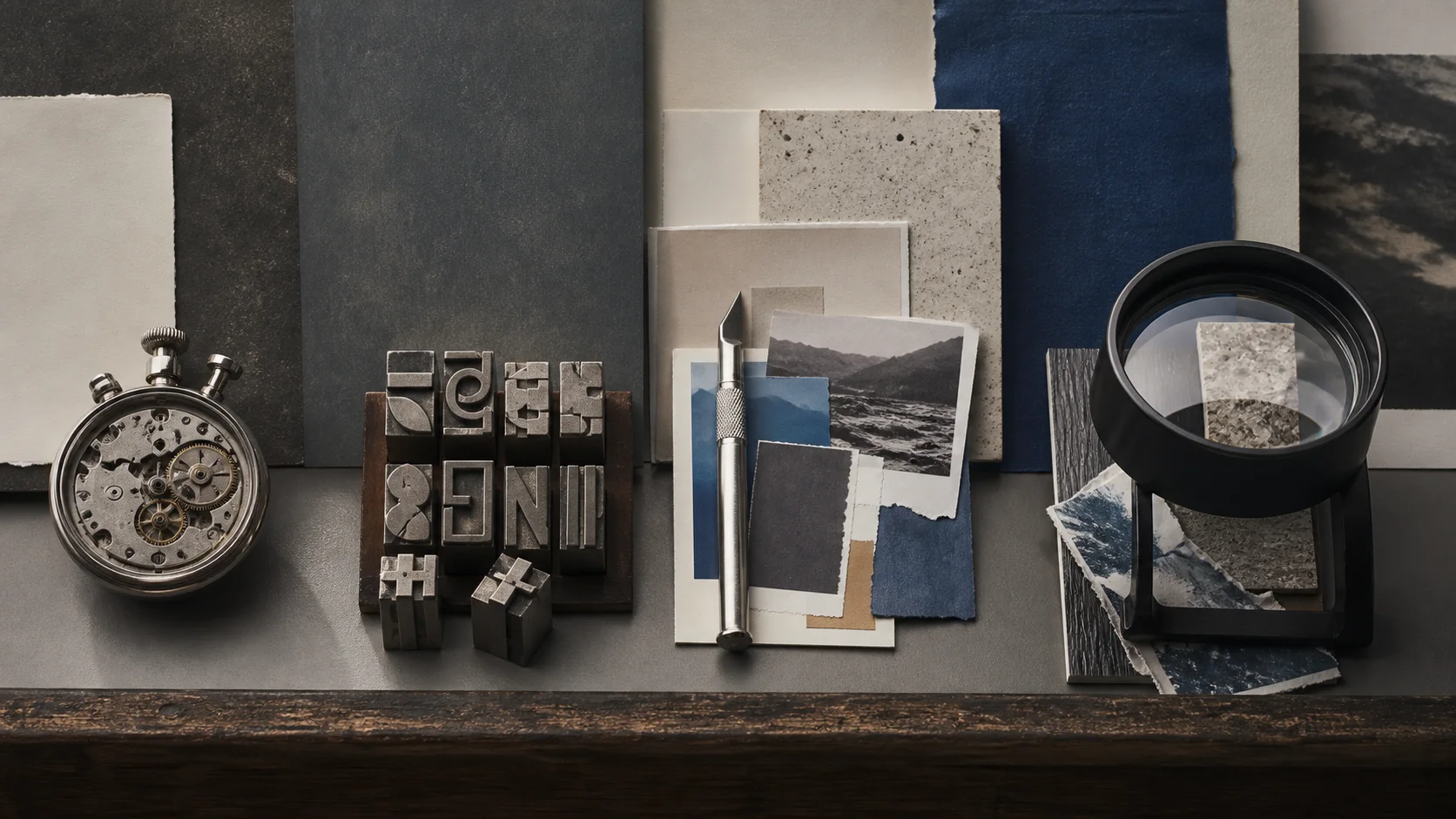
If it's a poster, I look at spelling before atmosphere.
Even if the colors and composition are good, if the event date or product name is wrong, it cannot be used. Check actual size to ensure the requested text is accurate and that small text is legible. Even a reputable model of letter representation does not guarantee the success of a particular phrase.
You can create the background for important sentences and then insert them directly using the editing tool. Compare which is faster: retrying dozens of times to create everything at once. There is no requirement that the model take over every step.
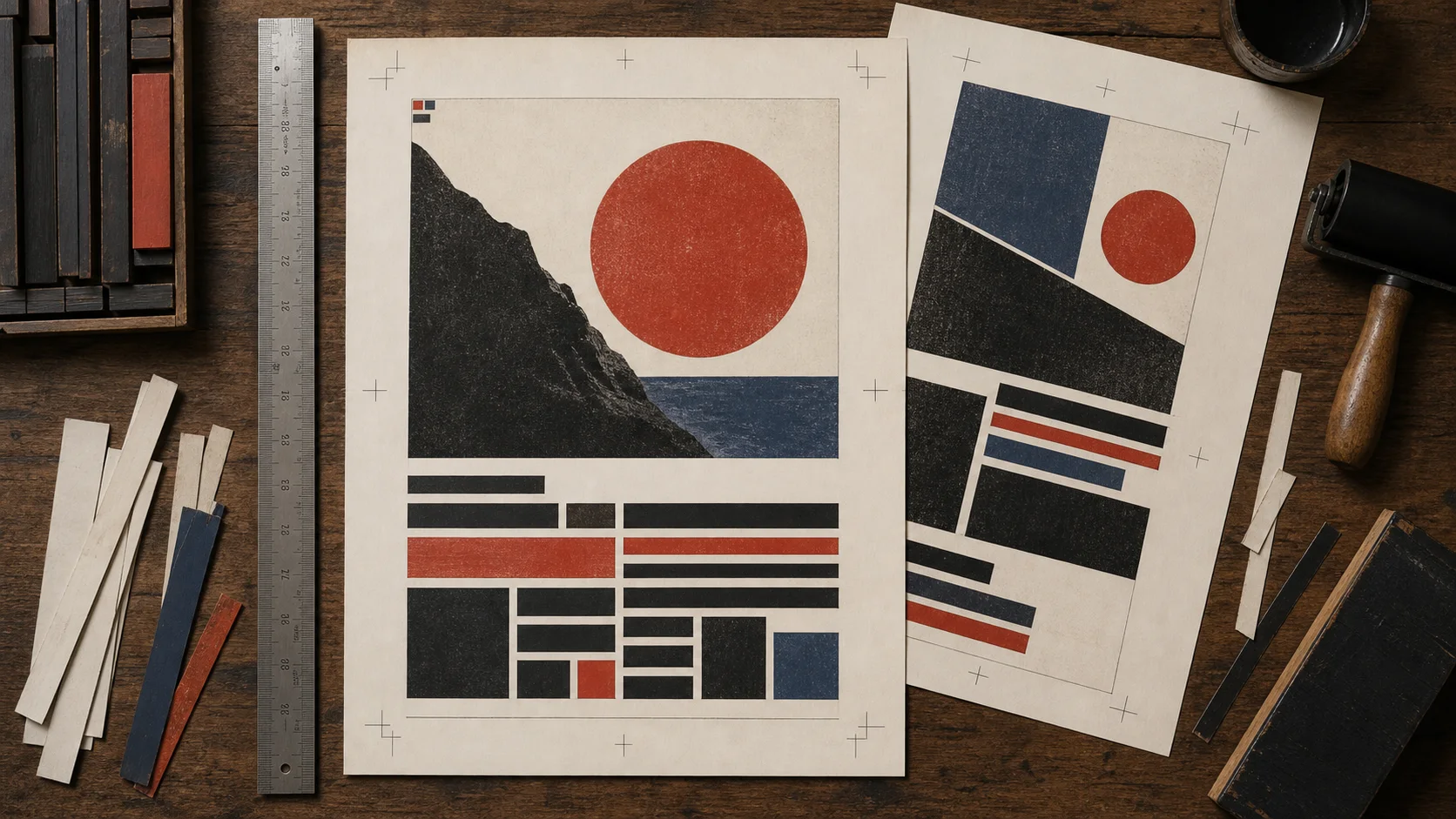
Once you've included a reference photo, decide what needs to remain.
First, decide on elements that cannot be changed, such as the product logo, button location, and human face. Small distortions can be missed if the image closely resembles the original photo. Check side by side to see if the shape changes when you change the lighting.
Adding image inputs may also change the encoder or intermediate memory required. It may not be appropriate to use the speed of a single sheet of text as the editing time for inserting multiple images. Set the working conditions for comparison to be the same.
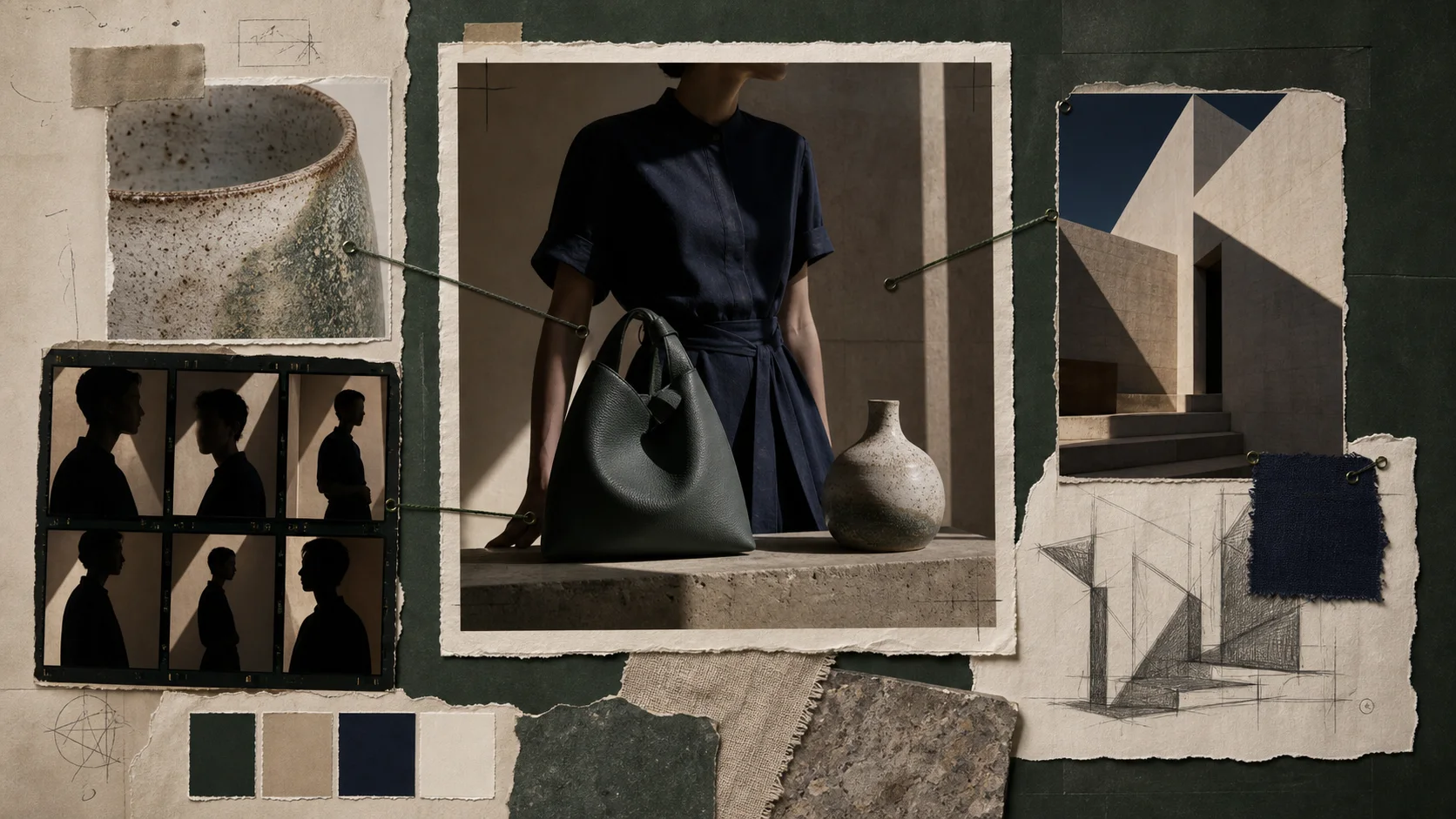
Roles can be divided into small and large models.
A smaller model may be better for quick orientation, while a different model may give better results for refining a specific scene. However, if you change the model, the draft composition may not remain the same. Check out support for conditional image creation and zoom functions.
There is no need to have two or three models resident from the beginning. Compare the recall and writing time and memory in order. If you don't switch frequently, you can tolerate the wait for loading, but if you switch throughout the day, that time will affect your workflow.
Don't compare just one successful shot
Create the same scene a few times and see how usable the results are. One page may come out quickly, but if you have to keep revising it, the overall process can take a long time. We look at both the quality of the final image and the time taken to select candidates.
The site's time comparison is an estimate of the generation wait. It doesn't even calculate the success rate of my prompts. The order of first leaving a model that appears in the scene you want and then selecting the equipment to comfortably repeat that model can reduce excessive purchases and unnecessary downloads.