Image / video
Local image generation: what can your computer create?
I have the image I want in my head, but it's hard to describe it in one sentence. As I create one picture, change the lighting, and re-choose the composition, I get closer little by little. When choosing equipment for local image creation, the ease with which this editing process can be repeated is more important than the finished product.
It doesn't have to be a finished product from the beginning.
For example, let's say you're creating an introductory image for a small product. I haven't decided yet whether to lighten or darken the background and place the product in the center or to one side. This step requires multiple prototypes to compare orientations before the large final image.
If you don't like one piece, write down what's different and change the prompt or reference image. Saving the model, seed, and settings makes it easy to compare changed elements. However, if the execution environment or settings are different, the same seed does not guarantee exactly the same results.
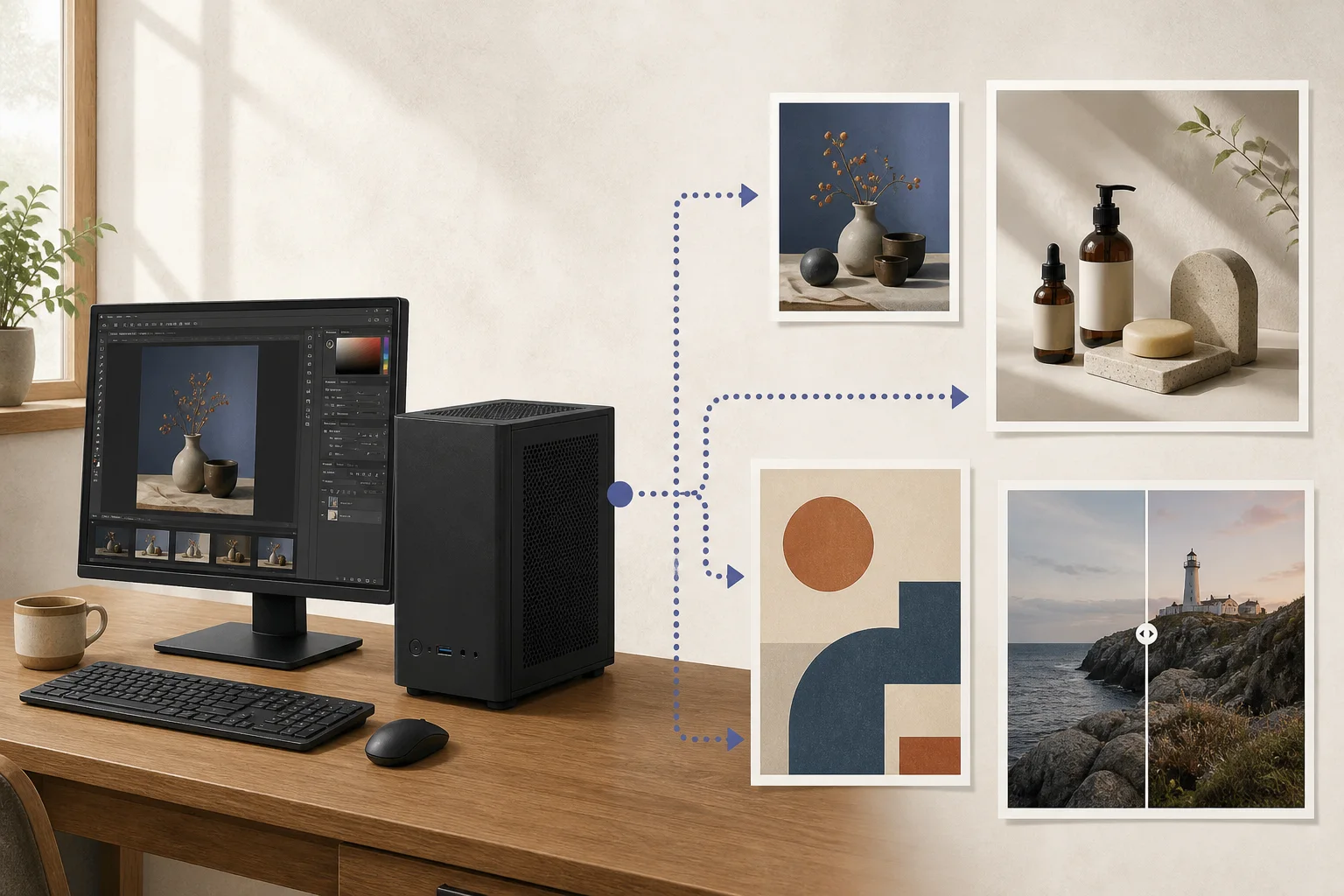
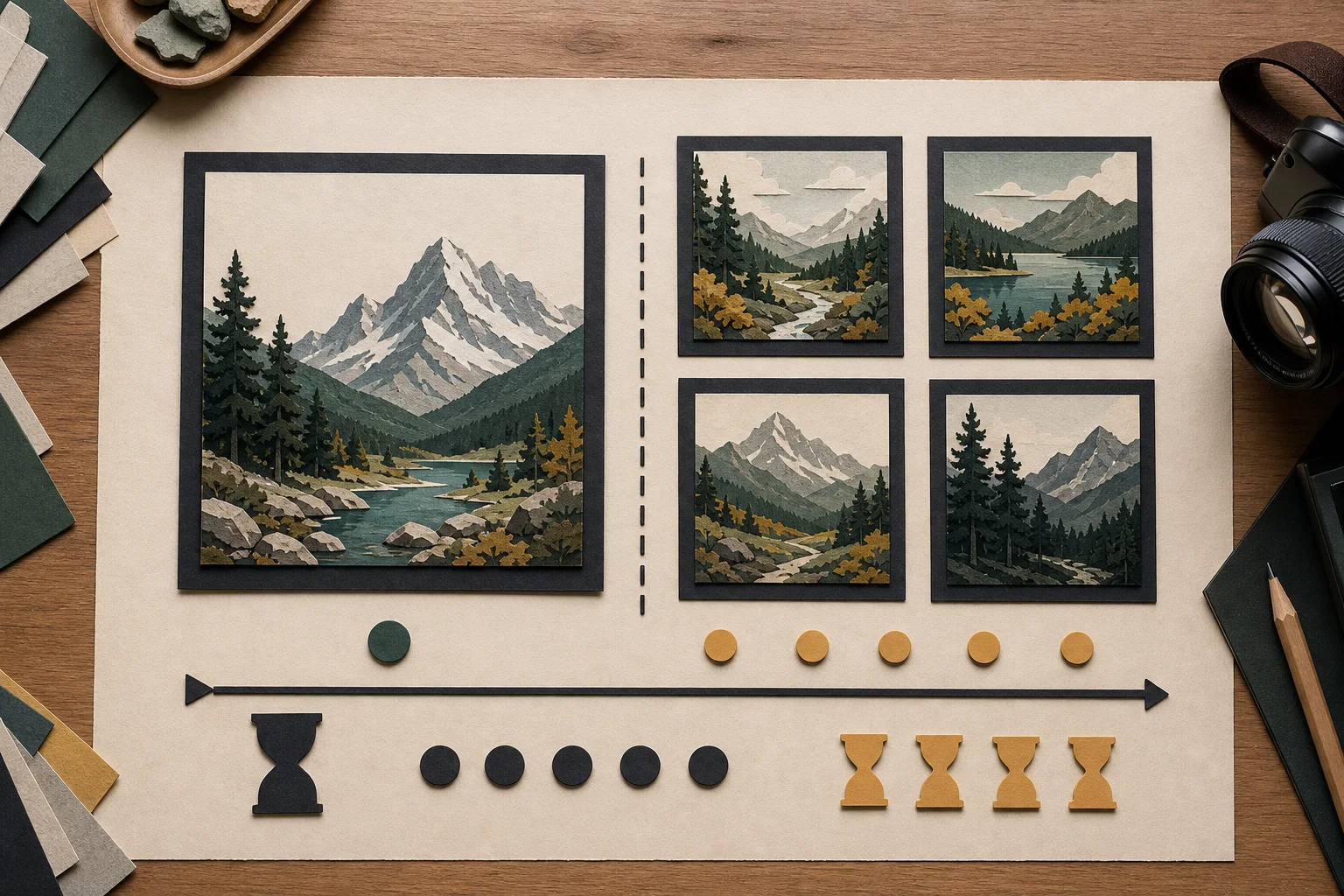
Test small, then spend time where it matters
You can experiment with compositions at the smaller resolutions supported and then significantly refine the results to your liking. This procedure is intended to reduce the time required to continuously calculate wrong-oriented cyan images at high resolution. Not all models maintain the same composition at all resolutions, so final results should be double-checked.
If only a part of the hand or product is wrong, we review possible ways to correct the part. Enter an image to see if it supports maintaining its shape or recreating specific areas. Sometimes it is better to fix the results now than to change the model.
Will it end if I only get one model?
In addition to the generative model, you may need a text encoder to process the prompts, a VAE to turn the latent representation into an image, etc. Depending on distribution, it may be included together or must be obtained separately. Calculating disk and VRAM requirements based solely on the model body file size leaves something out.
Make sure your executing app supports model structure and quantization, and try completing one chapter with a short basic workflow first. If you attach multiple extensions from the beginning, it is difficult to know where the problem occurred when it fails.
Why one image works but a batch of four does not
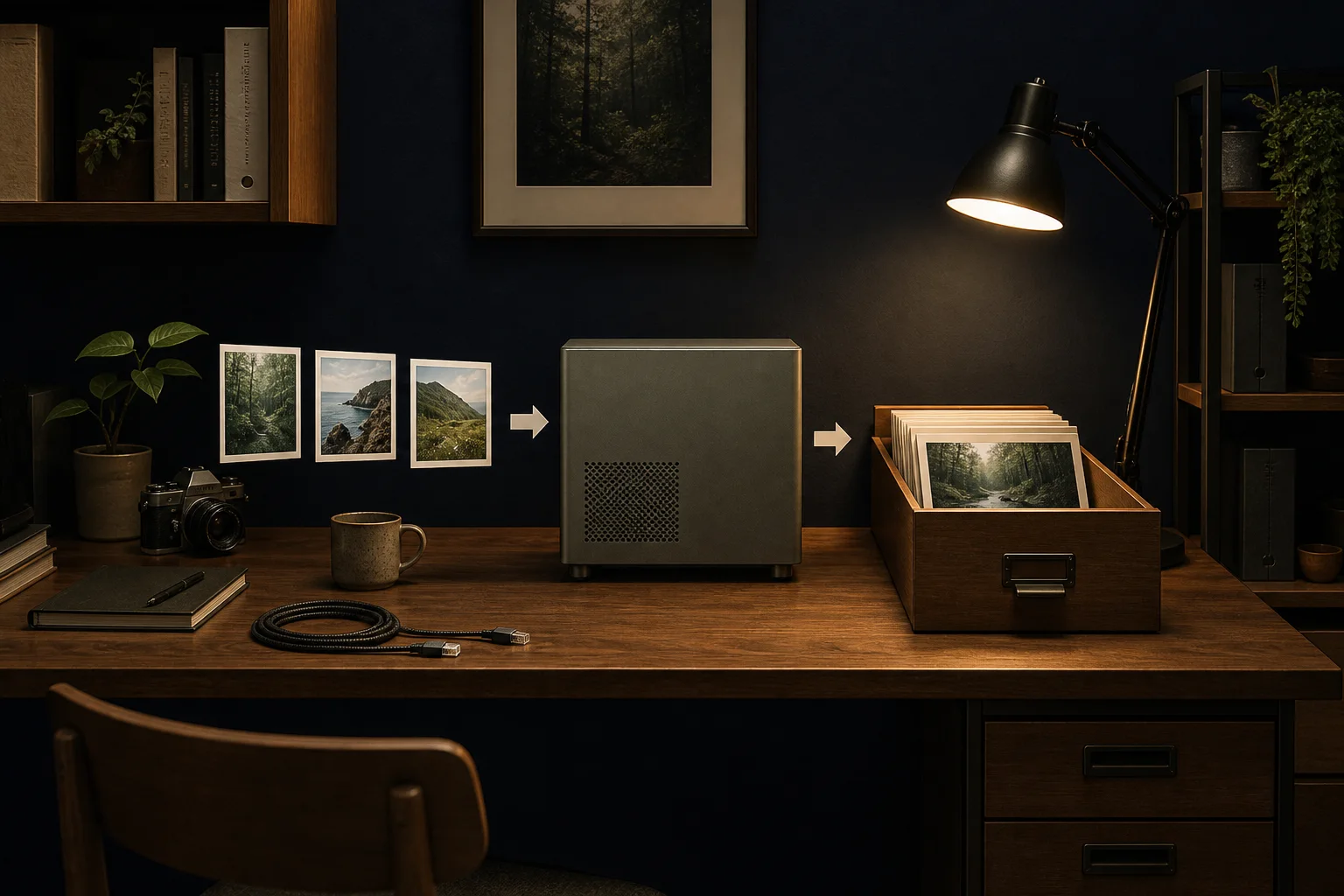
As the image size and number of sheets created simultaneously increase, the intermediate work space also changes. If you don't have enough batches to create four cards at once, you can try creating them one by one in order. You have to split between throughput and instantaneous memory needed.
There's no need to upgrade right away if you can do small iterations of the equipment you already have. Conversely, if you compare multiple candidates each day, and the wait results in fewer attempts, faster generation times can have real value.
If it is a product photo, the final review remains.
Even if the created lighting and background are good, if the buttons, logo, and proportions of the product are different, the image cannot be used directly to describe the actual product. If there are letters, you can check the spelling and numbers separately and enter the necessary parts accurately in the editing tool.
You can configure sources to be processed on your device, but not all apps automatically avoid making external connections. Check the connections for download, share, and extension functions. If the data is pre-released, you should also look at where the file is stored and who has access to it.
Experience the wait first on the comparison screen
The site's image experience shows registered samples in a timely manner. This does not result from the actual creation of a new image by the device selected by the browser. Use it to compare atmospheres of the same model and size among equipment candidates.
After purchasing the equipment, refine the image you want to create until the end. You'll find out how many revisions are needed and which steps take the longest. As you gain that experience, when choosing your next equipment, you will be able to look for a configuration that will reduce the number of tasks that stop frequently, instead of the ‘fastest GPU’.