Image / video
Wan 2.2 and MiniMax: choosing a local video workflow
When I was trying to choose a video model, the beautiful scenes in the example and the required GPU specifications caught my eye. But moving my photos is different from creating a scene without any images. When comparing the Wan and MiniMax series, let's first decide on the input method and the cut that needs to be completed.
Does the subject need to keep its original shape?
If there is an actual product or a designated person, the path to receive image input is first checked. Adding an option to place an image in a text-only file won't do the same thing. In addition to series names, you need accurate checkpoints and workflows.
The model and tool must also support the ability to specify first and last cuts. If you only compare speed with the assumption that all models receive the same input, you may not be able to do the work you want after preparing the equipment.
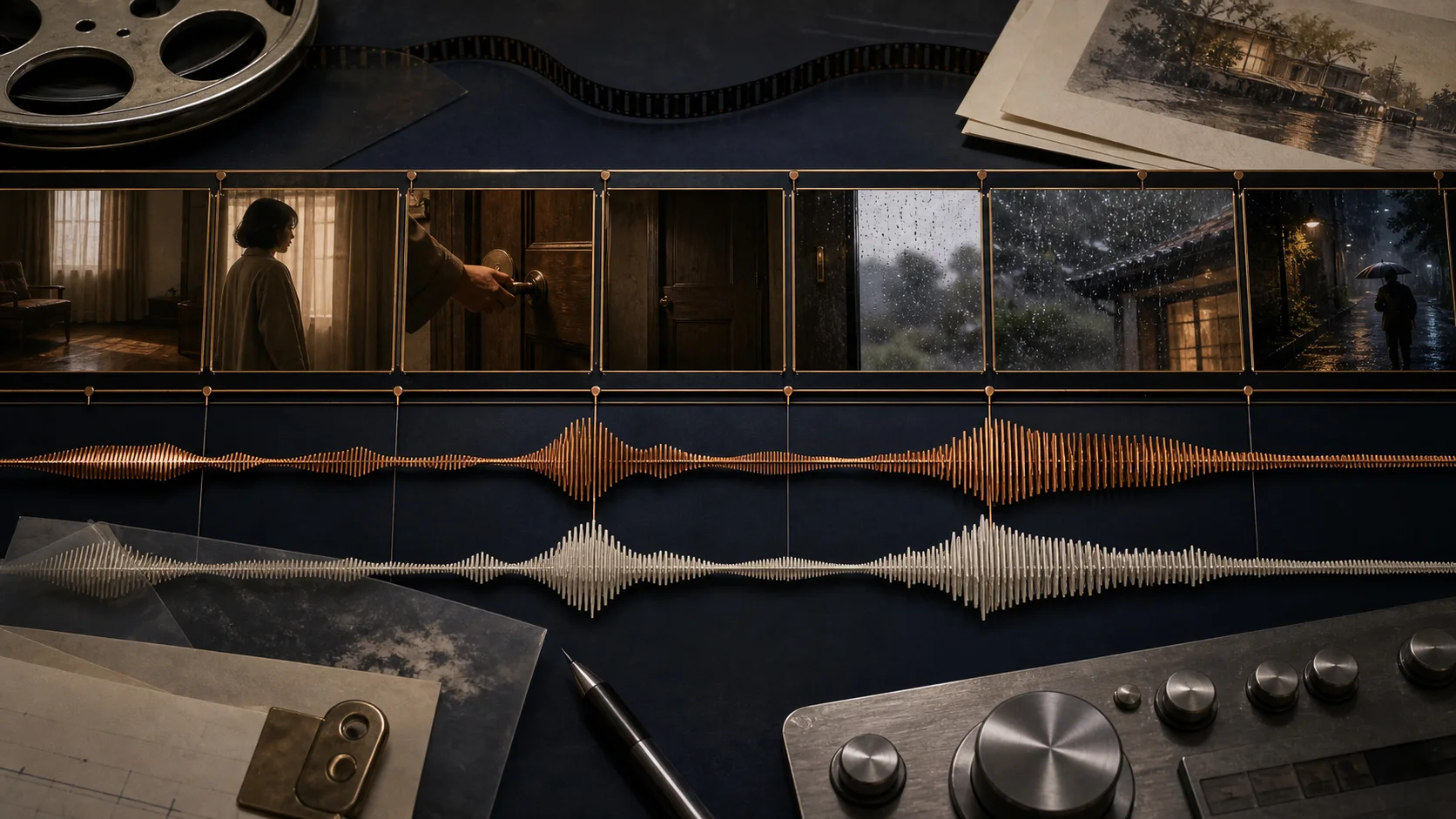
If you test a small configuration of Wan 2.2,
Configurations with relatively small weights, such as TI2V-5B, can be examined first. The advantage of smaller files is that they reduce loading and testing burden. This doesn't mean I'm automatically satisfied with the quality of movement I need.
Make a short clip of the same photo to see if the edges of the product and the person's face are maintained. Even if the model is loaded, there may be insufficient workspace during creation. You should record the resolution, frame rate, and actual peak memory together.
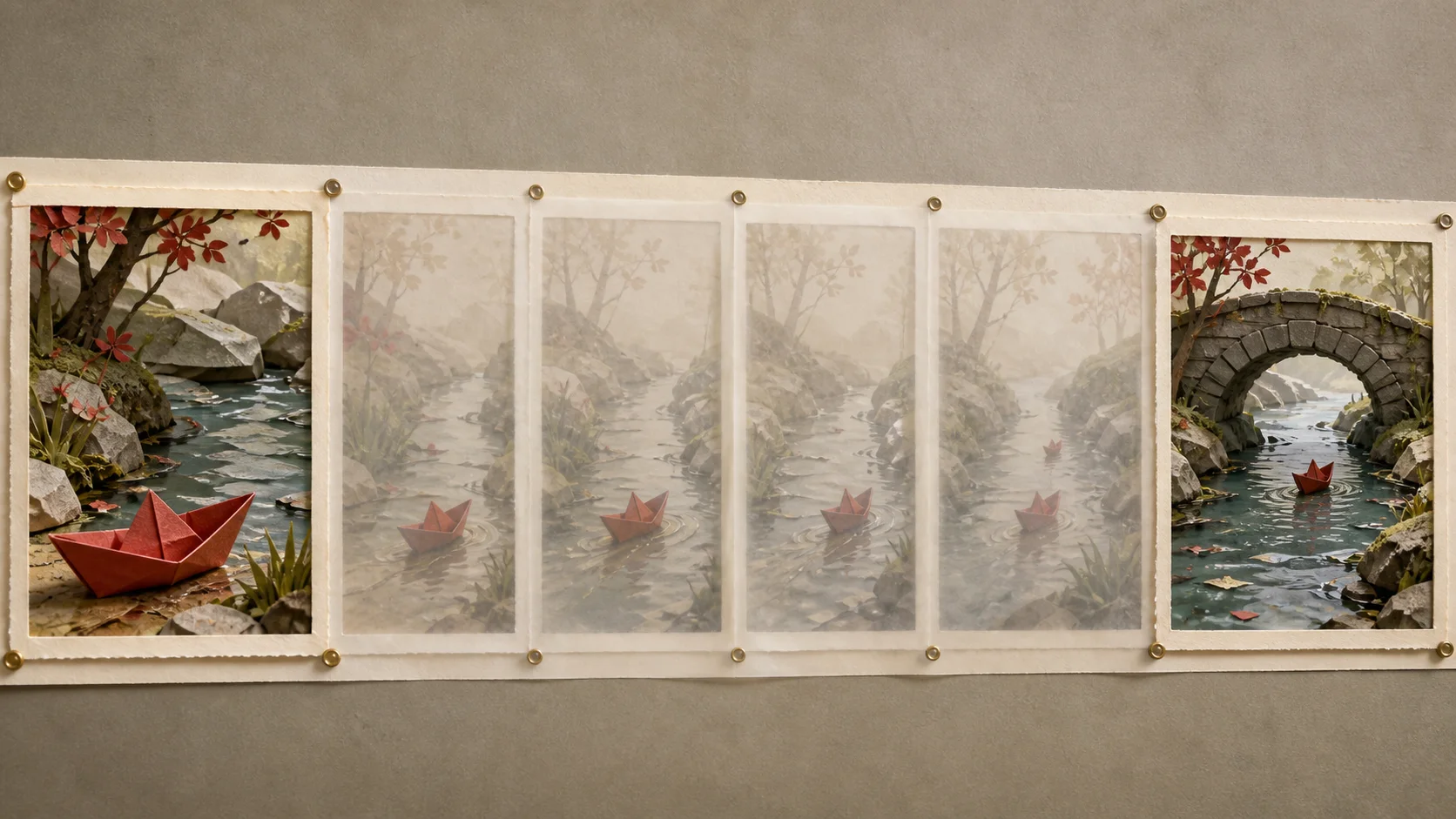
Leave a failed scene before upgrading to 14B
If you're not getting the shot you want on a small model, look specifically at what's missing. The results compared will also vary depending on whether the limbs change, the background shakes, or does not follow the requested camera movement.
Try running the same scene on a larger model to see if that problem has been reduced. The fact that the file size has increased is not enough to justify the purchase. If the results are similar, there may be less need to spend more memory and creation time.
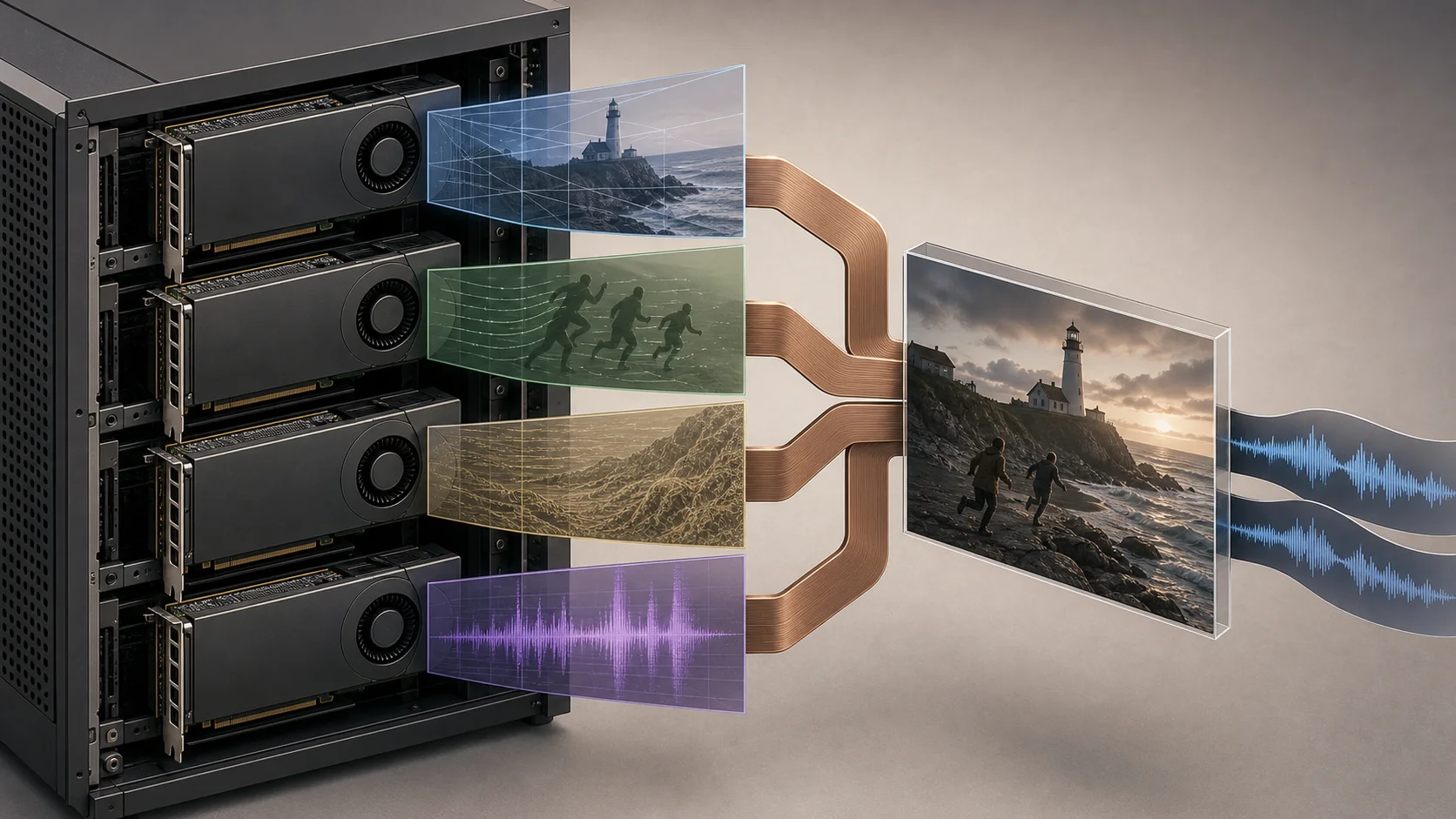
For MiniMax, first check which model and runtime are available
A distinction must be made between functions that can be viewed in the service and checkpoints that can be downloaded and run locally. Don't just look at the model name registered on the site and assume that all the same functions will work in your app. Support for distribution files, licenses, and corresponding executable tools takes priority.
If you are considering a configuration that handles video and audio together, make sure that the actual local path also supports audio. In the completed clip, you must also look at the match between sound and movement separately. The service demo of the same name is not a substitute for a running record of your device.
Find repeatable conditions on one device
Fix model, quantization, resolution, and number of frames and compare generation time and memory. Off-road or off-road records make a difference. This may be workable on smaller cards, but may take a long time due to repeated transfers.
Playing samples from this site is an expected and atmospheric experience. This comparison does not guarantee the quality of each model's work or the success of my prompts. First, look for a model that can create the short cut you want, and think about how many times a day you'll touch up that cut to further narrow down the equipment you need.